410 Santa Maria, Irvine, CA 92606
E-mail us: [email protected]
24 Hour Service - 7 Days a Week

Discover insider tips, step-by-step troubleshooting guides, and smart maintenance hacks from local Orange County pros. Learn how to extend the life of your appliances, boost HVAC efficiency, and prevent costly breakdowns.
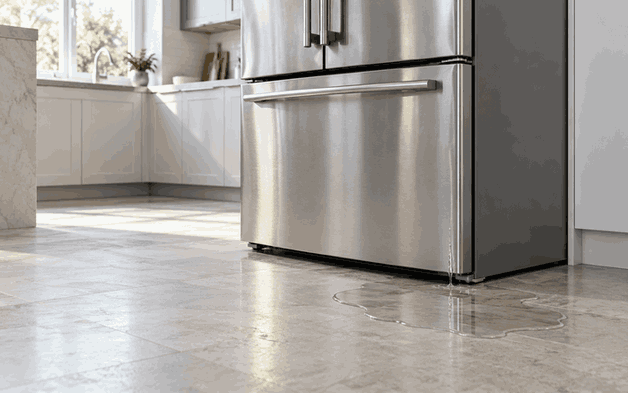
A refrigerator leaking water may have a blocked defrost drain, damaged water-supply line, loose connection, cracked filter housing, overflowing drain pan, frozen fill tube, condensation problem, or damaged door seal.
Read more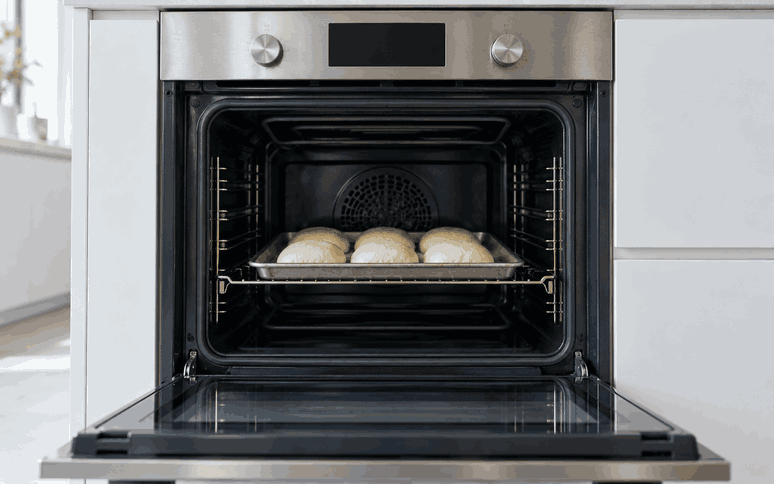
An oven that is not heating properly may have an incorrect cooking mode, a power or gas-supply problem, failed bake or broil element, weak igniter, defective temperature sensor, damaged wiring, door-lock fault, or electronic control failure
Read more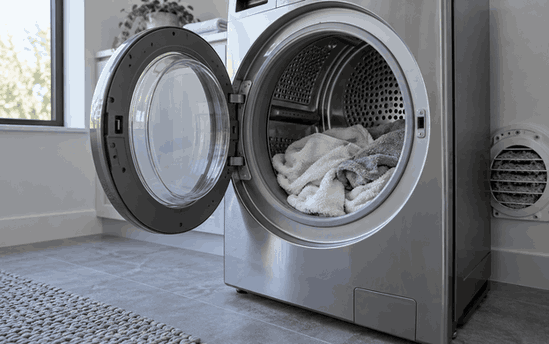
A dryer that runs but does not heat may have an incorrect cycle setting, restricted exhaust airflow, a partial power-supply problem, failed thermal protection, a defective heating element, gas ignition trouble, a sensor issue, or an electronic control fault.
Read more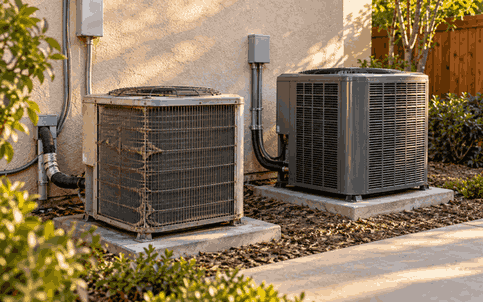
The decision to repair or replace an HVAC system should begin with a confirmed diagnosis.
Read more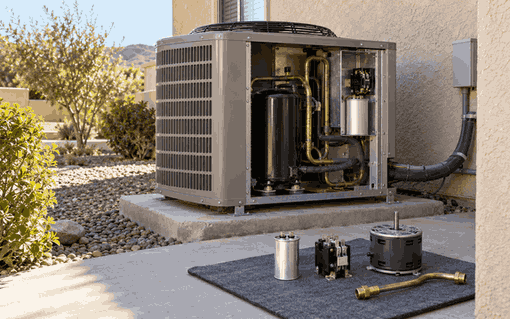
The ideal interval depends on equipment type, age, operating hours, environment, manufacturer guidance, and the property’s comfort or operational requirements. Commercial equipment, older systems, and units that run heavily may need more frequent attention.
Read more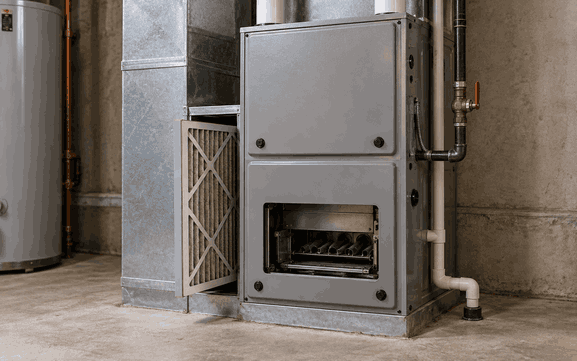
A heater that is not working may have a thermostat setting problem, interrupted power, restricted airflow, an ignition or heating-element fault, or another HVAC system issue.
Read more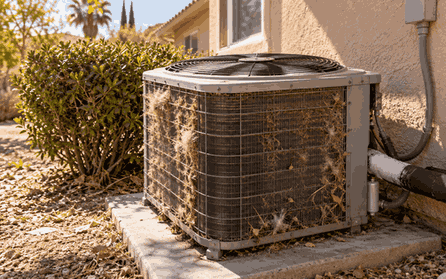
A high electric bill while the AC is running usually reflects longer cooling runtime, higher electricity rates, reduced system efficiency, or a combination of these factors.
Read more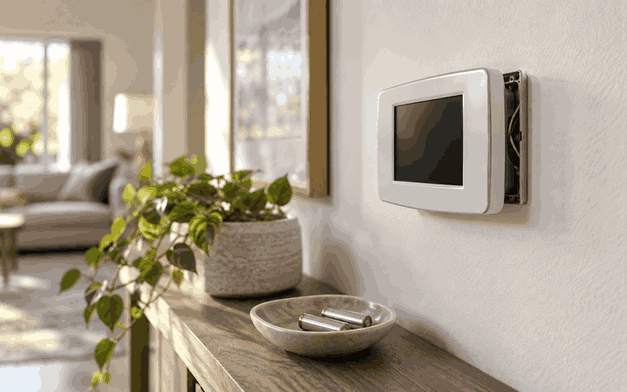
A thermostat not working can appear as a blank screen, incorrect temperature reading, unresponsive controls, or an HVAC system that does not start when heating or cooling is requested.
Read more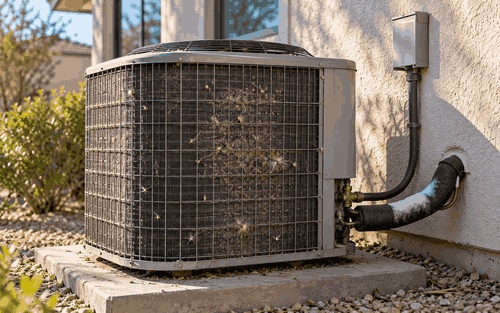
An AC that runs but does not cool properly may have a simple airflow problem, a thermostat issue, a frozen coil, failed electrical component, outdoor-unit fault, or refrigerant-related problem.
Read more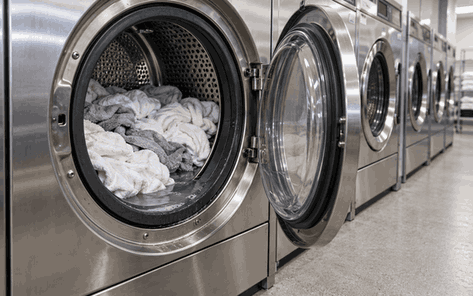
A commercial washer that is not draining may have an overloaded drum, blocked filter, kinked drain hose, facility drainage problem, failed pump, drain-valve fault, door interlock problem, payment-control issue, or electronic failure.
Read more
