410 Santa Maria, Irvine, CA 92606
E-mail us: [email protected]
24 Hour Service - 7 Days a Week

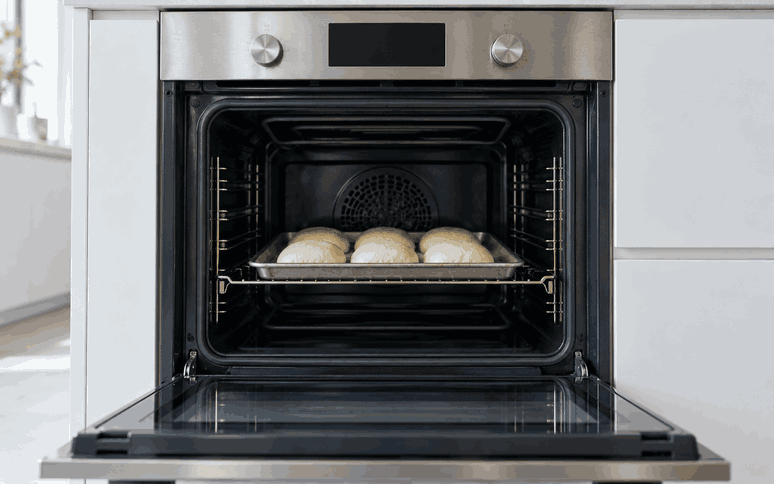
An oven that is not heating properly may have an incorrect cooking mode, a power or gas-supply problem, failed bake or broil element, weak igniter, defective temperature sensor, damaged wiring, door-lock fault, or electronic control failure
An oven that is not heating properly may have incorrect settings, interrupted electrical or gas supply, damaged heating elements, a weak igniter, faulty temperature sensor, or electronic control problem.
First, determine whether the oven produces no heat, preheats slowly, or fails to maintain its selected temperature. These symptoms can involve different components.
Stop using an oven that overheats uncontrollably, produces an electrical burning odor, or repeatedly trips a breaker. If you smell gas, leave the area and contact the gas utility or emergency services from a safe location.
Before assuming a component has failed, confirm that the correct cooking program is selected.
Delayed Start, Control Lock, Demo Mode, or other model-specific settings may prevent normal heating.
Check the manufacturer's instructions before changing unfamiliar controls.
Many electric ovens require a 240-volt electrical supply for their heating systems.
The display and interior light may still work when part of the required electrical supply is interrupted.
Possible causes include a tripped breaker, damaged wiring, or an internal electrical fault.
If a breaker trips again after one permitted reset, leave it off and request professional assistance.
Electric ovens commonly use separate heating circuits for baking and broiling.
A damaged bake element may prevent normal baking, while a defective broil element may affect broiling and preheating.
Some elements are concealed and can fail without visible damage.
If Broil works but Bake does not, the problem may involve the bake element, its wiring, relay, or electronic control.
The affected circuit should be tested before replacement parts are selected.
A defective temperature sensor, relay, wiring connection, or control board can cause slow heating, overheating, or inconsistent temperatures.
A working control display does not confirm that the heating circuit is functioning correctly.
Some ovens use thermal fuses or high-temperature cutoffs to interrupt operation under abnormal conditions.
A protective device should not be bypassed or replaced without identifying why it activated.
Many gas ovens use hot-surface igniters.
A weakened igniter may glow without opening the gas safety valve reliably.
Possible symptoms include extended preheating, intermittent burner ignition, or no heat despite normal control operation.
However, not every gas oven uses the same ignition system.
A failed gas valve, ignition component, or burner control may prevent heating.
Gas ovens also depend on temperature sensors and electronic controls to regulate operation.
Never disconnect gas fittings, adjust internal valves, or bypass ignition safety devices.
Gas-system diagnosis requires qualified personnel.
Modern ovens may display diagnostic warnings involving temperature sensors, electrical power, communication, door locks, or electronic controls.
Samsung: C-F0 concerns electronic communication, while C-24 relates to unexpectedly rapid temperature increases. See Samsung Error Codes.
Whirlpool: F9/F9 E0 may indicate an electrical connection or supply problem. Review Whirlpool Error Codes.
Bosch: e101 can indicate a temperature-sensor fault, while e310 concerns electrical power on supported models. See Bosch Error Codes.
Miele: F134 may indicate excessive temperature, while F20 concerns heating on certain steam and combination ovens. Review Miele Error Codes.
Viking: RTD ERROR concerns temperature sensing, while LATCH ERROR identifies a door-lock problem on compatible models. See Viking Error Codes.
Wolf: 0222 indicates a bake-element relay fault on applicable dual-fuel ranges. Review Wolf Error Codes.
LG: Certain ovens use model-specific F-series warnings for cooking-system faults. Check the LG Error Codes Guide.
Error meanings vary by model. Record the complete code, appliance model, and affected cooking mode before resetting the oven.
Before requesting professional assistance:
Verify the cooking mode and temperature setting.
Check for active control restrictions.
Confirm that the oven door closes properly.
Inspect visible door seals or heating elements only when the oven is completely cool.
Check the breaker once if permitted and safe.
Record unusual preheating times, temperature fluctuations, or warning messages.
Never bypass safety devices, force a locked door open, disconnect gas connections, or test energized wiring.
An oven that heats unevenly may have incorrect rack placement, restricted convection airflow, a damaged door gasket, faulty temperature sensor, or weakened heating component.
Some temperature variation is normal because ovens cycle their heating elements to maintain an average temperature.
A convection fan may also change its operating behavior depending on the selected mode.
Persistent uneven cooking requires diagnosis rather than assuming that the thermostat needs adjustment.
Professional oven repair is appropriate when the appliance:
Fails to heat in Bake or Broil
Preheats unusually slowly
Cannot maintain cooking temperature
Repeatedly overheats
Displays recurring error codes
Has ignition, door-lock, or electrical problems
A technician can evaluate heating elements, gas ignition, sensors, wiring, safety devices, and electronic controls.
For premium cooking equipment, see Wolf Appliance Repair in Orange County and Viking Appliance Repair in Orange County.
Problems affecting surface burners rather than the oven compartment may require stove and cooktop repair.
The display and heating components may use different circuits. An element, igniter, relay, sensor, or electrical connection may have failed.
Yes. Incorrect sensor readings or damaged connections can interfere with temperature regulation. Stop using an oven that heats uncontrollably.
Some models develop thermal-protection, sensor, or control problems after high-temperature operation. Diagnosis is needed to identify the cause.
Commercial equipment may use different burners, temperature probes, fans, and safety controls. Read Why Is My Commercial Oven Not Heating? for commercial-specific guidance.
For professional oven heating diagnostics and repair, contact Reliable Hands Appliance.
Phone: +1 (714) 338-9438
Email: [email protected]
Office Hours: Monday through Friday, 7:00 AM to 7:00 PM
Saturday: 9:00 AM to 6:00 PM
Sunday is reserved for emergency calls. Call to confirm availability.
Office: 410 Santa Maria, Irvine, CA 92606
Time Zone: Pacific Time

