410 Santa Maria, Irvine, CA 92606
E-mail us: [email protected]
7 Days a Week

Create a new tiled surface or replace damaged pieces with a considered layout. Preparation, material matching, cut positions, joints, and exposed edges all contribute to the finished result.
A successful tile installation project starts beneath the finished surface. The condition of the backing, the installation materials, and the layout all affect how the tile performs and how the completed room looks.
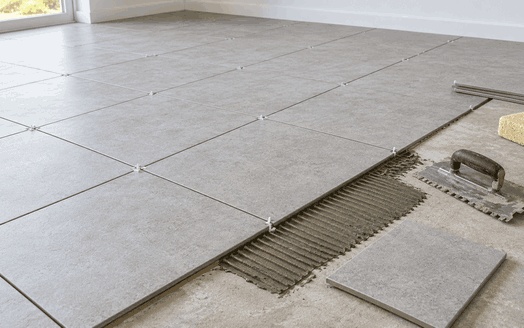
A successful tile installation project starts beneath the finished surface. The condition of the backing, the installation materials, and the layout all affect how the tile performs and how the completed room looks.
Reliable Hands Appliance provides tile installation and replacement services for residential properties in Irvine and surrounding Orange County communities. Whether you need to replace damaged tiles or discuss a new tiled surface, the first step is to establish the material, the condition of the existing area, and the preparation required.
Tile installation involves more than setting individual pieces in place. Tile dimensions, joint spacing, edge treatments, and the position of cuts need to work together across the entire surface.
Before installation, the project review considers:
Whether the tile is intended for a floor, wall, or another specified application.
The manufacturer’s requirements for the selected material.
The condition and suitability of the installation surface.
Tile orientation, pattern, grout joints, and visible cut locations.
Exposed edges, corners, thresholds, and adjoining finishes.
Any removal or preparation needed before installation can begin.
Ceramic and porcelain tiles are not interchangeable in every application. Product suitability, surface finish, tile size, and installation requirements should be checked against the intended location. A tile selected for appearance alone may not be appropriate for the conditions where it will be installed.
For a visible wall or small floor area, tile layout decisions deserve particular attention. Planning the starting position can help avoid awkward narrow cuts and make the finished arrangement look deliberate.
Tile replacement is the removal of damaged tiles and installation of suitable replacements while retaining the surrounding tiled surface where practical.
A localized tile replacement may be appropriate when damage is limited and the surrounding installation remains sound. However, a crack through several tiles, repeated grout failure, or movement underfoot can indicate a problem beyond the individual tile.
The assessment should distinguish between surface damage and an underlying issue. Installing a new tile over an unstable or moisture-damaged base does not resolve the cause of the original failure.
Removing an existing tile also requires care around adjacent pieces and concealed layers. If removal exposes damaged backing or a compromised protective layer, that condition needs to be addressed before the replacement is installed.
Spare tiles from the original installation are particularly useful. Even products sold under the same name can vary between production batches.
A suitable replacement needs to be checked for:
Actual dimensions and thickness.
Edge shape and joint compatibility.
Color, pattern, texture, and sheen.
Suitability for the installation location.
An exact visual match cannot always be achieved with discontinued products or weathered surfaces. When a matching tile is unavailable, the alternatives should be discussed before removal begins.
A durable tiled surface needs a suitable base. Loose material, contamination, damaged backing, and excessive movement can interfere with the installation. Required preparation should be identified as part of the scope, not treated as an unexpected finishing detail.
Grout fills the designated joints between tiles, but it does not replace the flexible joints required to accommodate movement. Perimeters, changes of plane, and other movement locations need appropriate treatment for the installation system.
Tile and grout are not, by themselves, a complete waterproofing system. Work in moisture-exposed areas requires an assessment of the underlying assembly. A surface replacement should not be presented as a solution to concealed water damage or a failed waterproofing layer.
Drying and curing requirements also vary by product and conditions. Instructions for walking on, cleaning, or exposing the finished area to water should follow the materials used rather than a universal turnaround promise.
Send photographs of the complete area and close-ups of the damage, along with approximate dimensions. For replacement work, include the number of affected tiles and whether spare pieces are available.
The agreed scope should identify tile removal, surface preparation, installation materials, grout, edge finishing, debris removal, and responsibility for supplying the tile. If adjoining finishes need attention, Flooring Installation and Repair or Drywall Installation and Repair can be discussed separately.
Reliable Hands Appliance serves Irvine, Costa Mesa, Newport Beach, Santa Ana, Tustin, and surrounding Orange County communities. Provide the property address when requesting service so coverage and appointment availability can be confirmed.
For condos and managed properties, include any access restrictions, designated work hours, parking arrangements, or building requirements that affect the project.
Contact Reliable Hands Appliance with your property address, photographs, approximate project dimensions, tile type, and a description of the installation or replacement needed. For damaged tiles, mention whether matching spare tiles are available.
Business Name: Reliable Hands Appliance
Phone: +1 (714) 338-9438
Email: [email protected]
Address: 410 Santa Maria, Irvine, CA 92606, United States
Hours: Monday – Saturday: 8:00 AM – 7:00 PM | Sunday: Closed