410 Santa Maria, Irvine, CA 92606
E-mail us: [email protected]
7 Days a Week

Reliable Hands Appliance provides residential washing machine repair in Newport Beach for drainage failures, spin cycle problems, water leaks, excessive vibration, and electronic control issues. We service supported front-load, top-load, and stacked washers.
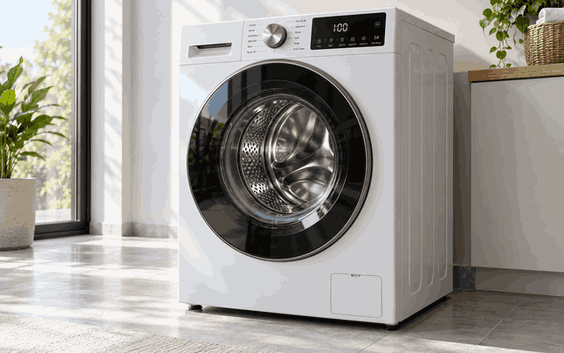
A washing machine that leaves clothes excessively wet may have a drainage restriction, an unbalanced load, or a mechanical problem affecting drum movement.
Reliable Hands Appliance provides professional washing machine repair in Newport Beach for residential washers experiencing drainage failures, spin cycle problems, water leaks, excessive vibration, and interrupted washing programs. We service supported front-load, top-load, compact, and stacked washing machines, helping homeowners restore normal laundry operations.
A washing machine that leaves clothes excessively wet may have a drainage restriction, an unbalanced load, or a mechanical problem affecting drum movement. However, wet laundry does not automatically indicate a defective motor or drain pump. Accurate diagnosis considers the washing program, operating conditions, and appliance components before recommending repairs.
Our residential washing machine repair services focus on identifying the underlying malfunction and determining the appropriate repair for each appliance model.
Reliable Hands Appliance provides washing machine diagnostics, repair, and model-appropriate maintenance for residential laundry equipment.
Common washing machine problems we address include:
Washing machine not draining or leaving standing water inside the drum.
Washer not spinning or leaving clothing unusually wet.
Washing machine not starting despite receiving power.
Wash cycle stopping unexpectedly before completion.
Drum not rotating or agitating during the washing program.
Washing machine not filling or taking too long to receive water.
Water leaking around the door, underneath the appliance, or near connections.
Excessive vibration, banging, grinding, or unusual mechanical noises.
Washing machine door not unlocking after the cycle.
Recurring washer error codes and electronic control problems.
Washing machine malfunctions can involve drain pumps, water inlet valves, hoses, door locks, lid switches, suspension components, drive motors, sensors, and electronic controls.
Our technicians assess the reported symptoms and the appliance configuration to identify which systems require testing.
For example, a washing machine that fails to spin may have a drainage or door-lock problem rather than a defective drive motor. Similarly, a washer that stops filling may have a restricted water supply or an internal valve malfunction.
When requesting washing machine repair in Newport Beach, provide the appliance brand, complete model number, and a description of the malfunction.
Explain whether the problem occurs during filling, washing, rinsing, draining, or spinning.
Mention whether the issue affects every load or only bulky items. Record displayed error codes and describe any changes in cycle duration, vibration, or operating noises.
A washing machine that retains water after a completed program may have a problem involving a blocked drain filter, restricted drain hose, defective drain pump, household drainage connection, or electronic control system.
Some washers will not begin high-speed spinning until water has been removed from the drum. As a result, drainage failures may also leave laundry unusually wet.
Professional diagnosis helps determine whether the restriction is inside the appliance or connected to the household drainage system.
For additional troubleshooting information, read our guide on why a washing machine is not draining.
Standing water does not always mean the drain pump has failed.
Potential causes include:
Clogged pump filters on compatible models.
Kinked or improperly positioned drain hoses.
Obstructions inside accessible drainage paths.
Faulty drain pumps or electrical connections.
Incorrect cycle settings or interrupted programs.
Water-level sensor or control problems.
Avoid repeatedly restarting a washer that contains standing water. Follow the manufacturer's instructions before attempting to access any drainage components.
A washing machine that fails to spin may have problems involving load distribution, drainage, door-lock operation, suspension, drive components, or electronic controls.
Modern washers may reduce spin speed or interrupt a cycle when they detect excessive vibration or an unbalanced load.
Heavy towels, blankets, and unevenly distributed clothing can affect normal spinning.
However, repeated spin failures with properly balanced loads may indicate a mechanical or electrical malfunction.
Our technical guide on why a washing machine is not spinning explains common causes involving drainage, load balance, motor operation, and safety interlocks.
Water leaks may develop around supply hoses, drain connections, door seals, detergent dispensers, pump assemblies, or internal water-carrying components.
The location and timing of a leak provide useful diagnostic information.
For example:
Leaks during filling may involve inlet connections, valves, or dispensers.
Leaks during washing may involve seals, excessive detergent suds, or internal components.
Leaks during draining may involve the drain pump, hoses, or discharge connections.
A front-load washer leaking around its door requires different checks from a top-load washer leaking beneath its cabinet.
Stop the washing cycle and close the water supply valves if safely accessible.
If water has reached electrical connections, avoid touching affected components. Disconnect power only when it is safe to do so.
Do not continue operating an appliance with an unresolved water leak.
A washer that fills slowly or receives no water may have a problem involving water supply valves, inlet hoses, restricted screens, electronic controls, or water-level sensing components.
The appliance may also stop automatically when it cannot reach the expected water level.
Diagnosis considers both the household water supply and the washing machine's internal filling system.
Some movement during spinning is normal, but heavy banging, grinding, excessive shaking, or repeated movement across the floor can indicate a problem.
Possible contributing factors include:
Uneven laundry distribution.
Incorrect appliance leveling.
Worn suspension rods or shock absorbers.
Damaged bearings or drive components.
Installation problems or mechanical wear.
Persistent vibration should be investigated before it causes additional damage to surrounding surfaces or internal appliance components.
A washing machine that stops unexpectedly may have a problem involving door-lock mechanisms, water-level sensing, drainage, motor operation, or electronic controls.
On some models, the door remains locked while water is inside the drum or until the appliance completes a safety-related operating sequence.
Do not force a locked washing machine door or bypass safety switches.
Different washing machine designs use different operating systems and component arrangements. Accurate diagnosis must account for the appliance type.
Front-load washing machines use a horizontal drum and a sealed front door opening.
Common problems may involve door gaskets, drainage components, drum movement, bearings, electronic locks, and vibration-control systems.
Water appearing around the front door may indicate residue, damage, or sealing problems.
Diagnosis considers the location of the leak and the operating stage when it occurs.
Top-load washing machines may use an agitator or impeller to move laundry through the wash cycle.
Depending on the model, problems can involve lid switches, suspension rods, drive components, water-level controls, and electronic systems.
A top-load washer that fills but does not agitate may require different checks from one that drains normally but cannot complete its final spin.
Stacked washing machines and compact laundry appliances may have limited service access because of surrounding cabinetry or a dryer installed above the washer.
When requesting repair, explain whether the laundry equipment is stacked or located inside a narrow closet.
Different installations may require specific access procedures or additional consideration of appliance connections.
If the separate dryer also develops heating, drum, or drying problems, explore our professional dryer repair services in Newport Beach.
Reliable Hands Appliance services supported residential washing machines from major appliance manufacturers.
Our brand coverage includes LG, Samsung, Whirlpool, Bosch, and Miele.
Additional supported manufacturers include GE, KitchenAid, Maytag, Kenmore, Frigidaire, Fisher and Paykel, and GE Monogram.
Different washing machine models may use different drive motors, belts, pumps, sensors, suspension systems, locking mechanisms, and electronic controls.
Two washers from the same manufacturer may require different diagnostic procedures even when they display similar symptoms.
Providing the complete model number helps confirm service compatibility, determine the appliance configuration, and identify suitable repair procedures.
This is particularly important for compact, older, premium, and stacked laundry equipment.
Modern washing machines may display error codes when their control systems detect problems with water filling, drainage, load balance, door locking, motor operation, or electronic communication.
The exact meaning depends on the manufacturer and appliance model.
Certain LG washers use diagnostic codes including:
OE: A drainage-related warning.
IE: A water inlet or filling problem.
UE: A load imbalance condition.
LE: A motor-operation problem on applicable models.
For detailed explanations, review our LG appliance error code guide.
Samsung washers may display 5C, 5E, SC, or related warnings for drainage problems on compatible models.
Door-related warnings may include dC or dE, depending on the appliance generation.
Whirlpool washers may display F9 E1 when a long-drain condition is detected.
For additional information, explore our Samsung appliance error code reference and Whirlpool appliance error code guide.
An error code is a diagnostic starting point rather than confirmation that a specific component requires replacement.
Regular washing machine maintenance supports cleanliness, drainage performance, reliable water connections, and consistent appliance operation.
Reliable Hands Appliance provides maintenance appropriate to the appliance model and manufacturer requirements.
Depending on the equipment, maintenance may include:
Inspecting accessible water supply hoses for visible wear or leakage.
Checking drain hoses and accessible connections.
Inspecting front-load door seals for residue and damage.
Cleaning user-accessible filters where fitted.
Reviewing detergent dispenser buildup.
Checking appliance leveling and visible vibration.
Inspecting accessible connections for moisture.
Reviewing washing, drainage, and spin performance.
Always follow the manufacturer's instructions for cleaning cycles, filter access, and detergent quantities.
Front-load washers may accumulate detergent residue and moisture around the door gasket.
When permitted by the manufacturer, clean the door seal, remove accessible residue, and allow the washer interior to dry between uses.
Use approved cleaning products and avoid damaging the gasket or internal surfaces.
Only remove trapped objects from areas intended for homeowner access.
Using excessive detergent may create unnecessary suds, leave residue, and interfere with certain washing machine functions.
Use the detergent type and quantity recommended for the specific appliance.
For high-efficiency washers, follow the manufacturer's requirements for compatible detergent.
Regular cleaning can help prevent buildup, but persistent drainage failures, repeated cycle interruptions, and recurring error codes require diagnosis rather than maintenance alone.
Routine maintenance can address certain cleaning and operating problems, but it cannot correct every failed electrical or mechanical component.
Professional diagnosis is appropriate when a washing machine:
Continues leaking after visible connections have been checked.
Repeatedly fails to drain or spin.
Produces persistent grinding or heavy banging.
Cannot complete normal washing programs.
Displays recurring diagnostic warnings.
Develops door-lock or electronic control failures.
Stop using a washer if it develops active water leakage near electrical connections, smoke, burning odors, or violent movement during operation.
Do not bypass safety interlocks, force open a locked door, or disassemble electrical components without appropriate training.
Reliable Hands Appliance provides residential washing machine repair in Newport Beach across ZIP codes 92660, 92661, 92662, and 92663, with additional service coverage in Corona del Mar 92625 and Newport Coast 92657.
Our service area includes:
Newport Heights
West Newport
Balboa Peninsula
Balboa Island
Lido Isle
Corona del Mar
Newport Coast
We serve residential properties near Balboa Boulevard, Pacific Coast Highway, Jamboree Road, and Newport Coast Drive.
Residential laundry installations vary throughout Newport Beach.
Some properties contain upstairs laundry rooms, stacked washing machines, compact laundry closets, or appliances installed in restricted spaces.
When requesting service, mention narrow access areas, gated entry, parking limitations, and building-specific requirements.
Providing these details helps the team prepare for the appliance installation and service conditions.
Appointment availability should be confirmed for your complete address.
For homeowners needing assistance with other household equipment, explore our Newport Beach appliance repair services.
Reliable Hands Appliance also provides residential appliance services in nearby communities, including Costa Mesa, Irvine, and Santa Ana.
Clothes may remain excessively wet because of incomplete drainage, unbalanced loads, reduced spin speed, worn drive components, or electronic control problems.
Check whether water remains inside the drum and whether the selected program includes a normal spin cycle.
Persistent shaking may result from incorrect leveling, worn suspension components, damaged bearings, drive problems, or installation conditions.
If the washer moves violently or strikes surrounding surfaces, stop using it until the cause has been identified.
Yes. Reliable Hands Appliance services compatible washers with problems involving door locks, retained water, sensors, or electronic controls.
Repair availability depends on the appliance model and diagnosed malfunction.
Avoid forcing the door while water remains inside.
Interrupted cycles may involve drainage restrictions, door-lock faults, water-level sensing, motor problems, or electronic control failures.
Record the point where the program stops and any displayed warning codes.
Compare the estimated repair cost, appliance age, overall condition, replacement-part availability, and replacement expense.
For compact and stacked washing machines, installation limitations and compatibility with existing laundry equipment may also influence the decision.
If your washing machine is not draining, fails to spin, leaks water, shakes excessively, or stops before completing a cycle, Reliable Hands Appliance provides residential washing machine diagnostics and repair throughout Newport Beach and surrounding communities.
Call with your washer brand, complete model number, symptoms, and service address, or contact Reliable Hands Appliance to request an appointment.
Business Name: Reliable Hands Appliance
Phone: +1 (714) 338-9438
Email: [email protected]
Address: 410 Santa Maria, Irvine, CA 92606, United States
Hours: Monday – Saturday: 8:00 AM – 7:00 PM | Sunday: Closed