410 Santa Maria, Irvine, CA 92606
E-mail us: [email protected]
24 Hour Service - 7 Days a Week

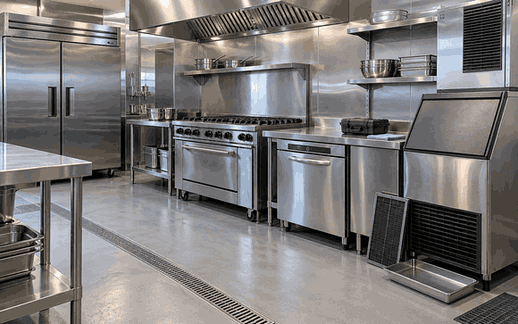
A commercial appliance preventive maintenance checklist helps businesses inspect, clean, document, and monitor equipment before minor wear turns into operational failure.
A commercial appliance preventive maintenance checklist helps restaurants, hotels, laundromats, and managed facilities identify equipment problems before they interrupt daily operations.
Regular inspections can reveal temperature fluctuations, blocked airflow, drainage restrictions, worn components, and developing electrical or mechanical faults.
An effective maintenance program combines daily staff observations, weekly cleaning, professional inspections, and accurate equipment records.
The frequency of each task should reflect manufacturer recommendations, equipment usage, operating conditions, and previous maintenance history.
Daily checks help operators recognize unusual equipment behavior before it develops into a major malfunction.
Recommended tasks include:
Commercial refrigeration: Record refrigerator and freezer temperatures according to the facility's food-safety procedures.
Doors and seals: Check gaskets, hinges, and latches for visible damage.
Airflow: Keep refrigeration vents and required equipment clearances unobstructed.
Commercial dryers: Clean lint screens at manufacturer-recommended intervals.
Washers and dishwashers: Look for leaks, standing water, and abnormal drainage.
Ice machines: Check production, visible cleanliness, and unusual alarms.
Staff should also report unexpected noises, excessive vibration, unusual odors, longer cycles, and reduced equipment performance.
For food-service operations, verify actual product conditions using appropriate instruments rather than relying exclusively on cabinet displays.
Weekly housekeeping can reduce debris accumulation, improve accessibility, and reveal developing maintenance concerns.
Inspect accessible condenser grilles, door gaskets, ventilation openings, and nearby floor areas.
Look for dust, grease buildup, damaged seals, condensation, or restricted airflow.
Check ice-machine bins and accessible filters according to manufacturer sanitation requirements.
Remove approved debris from commercial dishwasher scrap screens and inspect visible drain connections.
Check commercial dryers for lint accumulation around accessible exhaust openings.
Examine visible washer hoses for wear, damage, or moisture.
Never remove protective panels, disconnect internal gas connections, or use cleaning chemicals that are not approved for the equipment.
Professional maintenance addresses components and operating conditions that staff should not inspect internally.
The appropriate interval depends on operating hours, grease exposure, lint, water quality, environmental temperature, and equipment design.
Qualified maintenance may include:
Refrigeration: Condenser inspection, fan evaluation, temperature-control testing, and defrost-system checks.
Cooking equipment: Burner, ignition, heating-element, thermostat, and safety-control inspection.
Laundry equipment: Motor, belt, bearing, drainage, and dryer exhaust evaluation.
Dishwashing equipment: Pump, valve, water-flow, and drainage-system checks.
Ice machines: Manufacturer-approved cleaning, descaling, sanitizing, and operating checks.
Electrical systems: Inspection of accessible connections, sensors, controls, and abnormal operating conditions.
Reliable Hands Appliance provides commercial appliance repair and preventive maintenance for businesses throughout Orange County.
Preventive maintenance helps identify developing problems but cannot guarantee that equipment will never fail.
Each appliance should have an equipment record containing its location, manufacturer, model number, serial number, installation details, maintenance history, previous repairs, and recurring fault codes.
Record temperature readings, unusual operating conditions, and completed maintenance activities.
A photograph of the rating plate can help identify technical documentation and compatible components.
When an appliance displays an unfamiliar warning, consult the relevant manufacturer documentation or the Appliance Error Code Support Library.
Record error codes before clearing them. Repeated resets can hide useful diagnostic information without correcting the underlying problem.
Not every commercial appliance has the same importance.
A restaurant's primary refrigerator, a hotel's commercial laundry system, or the only dishwasher in a kitchen may require special attention because a breakdown can interrupt essential operations.
Identify critical equipment and establish procedures for inventory protection, equipment shutdown, backup capacity, and maintenance reporting.
Facilities should also designate who is responsible for responding when a machine develops an active fault.
Routine cleaning cannot correct every malfunction. Professional diagnosis becomes necessary when equipment develops persistent operational problems.
If cabinet temperatures rise, inventory becomes too warm, or heavy frost repeatedly forms, professional commercial refrigerator repair or commercial freezer repair may be necessary.
The article Why Is My Commercial Refrigerator Not Cooling? explains common cooling failures.
For ovens with unreliable heating, ignition faults, or temperature-control problems, request commercial oven repair.
A washer that leaks or fails to drain may require commercial washer repair.
For dryers with insufficient heat, restricted exhaust airflow, or abnormal temperatures, consider commercial dryer repair.
Additional troubleshooting is available for a commercial dishwasher that is not draining and a commercial ice machine that is not making ice.
Stop using equipment that sparks, produces smoke or burning odors, or repeatedly trips electrical protection. Gas odors require appropriate emergency procedures rather than continued troubleshooting.
Follow manufacturer requirements and adjust inspection intervals based on equipment workload, environmental conditions, and service history. High-use equipment may require more frequent maintenance.
Employees can complete approved cleaning, visual inspections, temperature monitoring, and recordkeeping. Internal electrical, gas, refrigerant, and mechanical work requires qualified personnel.
No. Maintenance helps reduce avoidable problems, while commercial appliance repair addresses existing component failures and operating faults.
Provide the business address, equipment location, brand, model and serial numbers, symptoms, displayed error codes, and any relevant access requirements.
For professional commercial appliance inspections, preventive maintenance, and repair, contact Reliable Hands Appliance.
Phone: +1 (714) 338-9438
Email: [email protected]
Office Hours: Monday through Friday, 7:00 AM to 7:00 PM
Saturday: 9:00 AM to 6:00 PM
Sunday is reserved for emergency calls. Call to confirm availability.
Office: 410 Santa Maria, Irvine, CA 92606
Time Zone: Pacific Time

